
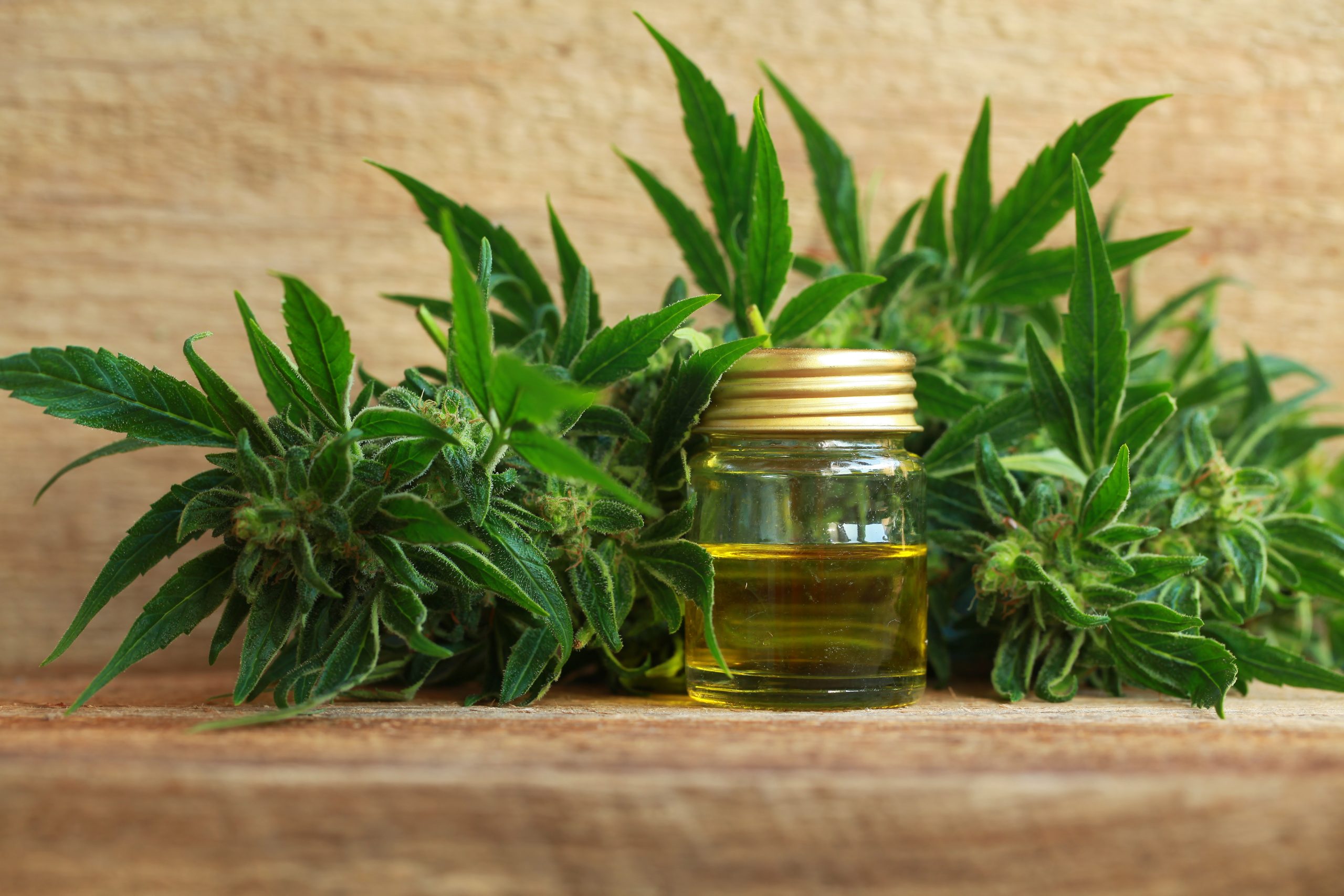
Snapshot:
• Cannabis compounds interact with the body’s endocannabinoid system, a receptor network that helps regulate mood, appetite, sleep, and pain.
• THC and CBD affect this system differently, which explains why products vary in effect depending on composition.
• Dispensaries in Ypsilanti, MI stock a range of product types formulated around these compounds for different intended uses.
Cannabis produces its effects by interacting with a receptor network in the brain and body called the endocannabinoid system, which helps regulate mood, appetite, sleep, and pain. Understanding this process clarifies why different products and consumption methods produce different sensations and durations of effect.
Shopping for cannabis products involves understanding the different compounds, product types, and potential effects to make informed choices. For residents of Ypsilanti, MI, learning about THC and CBD levels, product labels, and lab-testing information can help them better understand their options and ask informed questions when speaking with dispensary staff. Visit Planet Jane in Ypsilanti, MI, to explore a variety of cannabis products, including flower, edibles, concentrates, pre-rolls, and related accessories. Reviewing product information and following local regulations can help customers make more informed and responsible purchasing decisions.
The Endocannabinoid System Explained
The endocannabinoid system (ECS) is a cell-signaling network present throughout the human body, not something activated only by cannabis use. According to a 2025 cannabinoids fact sheet, cannabinoids interact with the body’s endocannabinoid system, a complex cell-signaling system that helps regulate body functions, including sleep, mood, appetite, and memory.
The ECS has three core components:
• Endocannabinoids – molecules the body produces naturally, such as anandamide
• Receptors – including CB1 and CB2, found in the brain, immune system, and peripheral tissues
• Enzymes – which break down endocannabinoids once they’ve done their job
Cannabis-derived cannabinoids, including THC and CBD, mimic or modulate these natural compounds, which is why they produce measurable effects on mood, appetite, and sensory perception.
How THC and CBD Differ in Effect
Not all cannabinoids act the same way once inside the body. Research published by the National Center for Biotechnology Information notes that THC and some of the other phyto-cannabinoids mediate their biological effects primarily through the classical cannabinoid receptors, CB1 and CB2, while CBD affects immune function despite having a very weak affinity to CB2 or CB1, acting instead as a negative allosteric modulator.
|
Compound |
Primary Receptor Activity |
Common Reported Effect |
|
THC |
Binds directly to CB1/CB2 receptors |
Psychoactive, mood and perception changes |
|
CBD |
Low receptor affinity, modulates other pathways |
Non-intoxicating, calming reports |
|
Terpenes |
Interact indirectly with cannabinoid effects |
Influence aroma, flavor, and perceived effect |
This distinction explains why a high-THC flower product and a CBD-dominant tincture can feel entirely different despite coming from the same plant species, Cannabis sativa L., as described by federal health research guidance.
Why Consumption Method Changes the Experience
The way cannabis enters the body significantly affects how quickly and intensely its compounds act on the endocannabinoid system.
1. Inhalation (smoking or vaporizing) – cannabinoids reach the bloodstream through the lungs, producing effects within minutes
2. Oral consumption (edibles) – compounds pass through the digestive system and liver first, delaying onset but often extending duration
3. Sublingual or topical products – absorption varies by formulation, allowing for more localized or moderate effects
Because onset and intensity differ so much by method, product selection often matters as much as cannabinoid content itself. Shoppers in Ypsilanti, MI comparing flower, edibles, and concentrates are essentially comparing different absorption timelines as much as different compounds.
Frequently Asked Questions
1. Does cannabis affect everyone’s body the same way?
→ No. Individual factors such as metabolism, tolerance, and the specific balance of cannabinoids and terpenes in a product all influence the experience.
2. Is CBD psychoactive like THC?
→ CBD does not produce the intoxicating effects associated with THC, largely because of its different interaction with CB1 and CB2 receptors.
3. Why do edibles take longer to work than smoking?
→ Edibles must pass through digestion and liver metabolism before cannabinoids enter the bloodstream, which delays onset compared to inhalation.
4. Are all cannabis products available at every dispensary the same strength?
→ No. Potency and cannabinoid ratios vary by product type and batch, which is why checking labels or asking staff is useful before purchase.
Readers comparing product types before a purchase in Ypsilanti, MI can check the store hours and location by viewing Planet Jane on Google Maps before visiting.